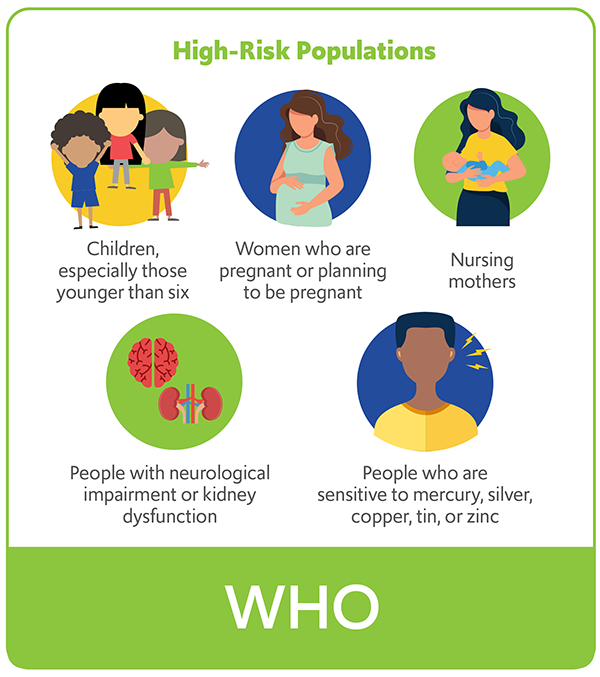
The Centers for Medicare and Medicaid Services has urged state Medicaid programs to consider restricting or ending coverage for dental amalgam fillings and to encourage mercury-free alternatives. The Department of Health and Human Services announced the notification to state Medicaid directors on July 22.
Dental amalgam is a durable filling material made from elemental mercury combined with silver, tin and copper. CMS suggested that states could restrict procedure codes for amalgam or favor resin-based composite materials. Because Medicaid coverage rules differ by state, the federal message does not itself create a nationwide prohibition or immediately change every patient’s benefits.
The Food and Drug Administration says most evidence does not show that amalgam exposure causes negative health effects in the general population. It advises people in certain higher-risk groups — including pregnant women, young children, people with kidney or neurological disease and those with metal sensitivities — to discuss non-amalgam options with a dentist when appropriate.
The FDA also says people should not remove intact amalgam fillings solely to prevent disease unless a health professional considers removal medically necessary. Taking out a sound filling can remove healthy tooth structure and temporarily increase mercury-vapor exposure. Patients should discuss the risks, durability and cost of available materials with their dentist.
Source: U.S. Department of Health and Human Services — hhs.gov source ↗
Source: U.S. Food and Drug Administration dental amalgam guidance — fda.gov source ↗
Join the conversation.
No published comments yet. Share the first thoughtful response.
Share your view.
Comments are reviewed before publication. Keep the conversation relevant, civil, and focused on the reporting.